Here is a concise summary of four brain-stimulating techniques being used today to treat severe chronic depression. The summary appeared in the Fall 2006 Issue of the Johns Hopkins’s Bulletin.
1. Electroconvulsive therapy (ECT) is the oldest and the best known and, in fact, is still recognized as the most effective treatment for severe depression. It involves the application of brief electrical pulses to the scalp to induce seizures throughout the brain. The seizures appear to relieve depression by increasing the release of brain chemicals such as serotonin and dopamine, but some other unknown mechanism may also be at play.
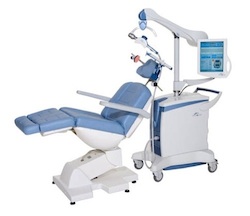
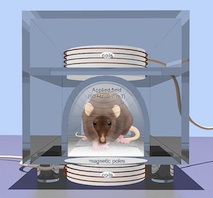
2. Another technique, rapid transcranial magnetic stimulation (rTMS), involves the placement of an electromagnetic coil on the scalp. The coil is not implanted, so no anesthesia is necessary; nor is it necessary to induce seizures (as with ECT). A pulsed high-intensity current is passed through the coil into specific areas of the brain, creating a powerful magnetic field that changes the way brain cells function.
3. Yet another approach, magnetic seizure therapy, is a combination of ECT and rTMS. It uses a coil similar to that employed in rTMS to stimulate only certain parts of the brain, but induces seizures like ECT. It is still in the early stages of development but is designed to produce fewer side effects than ECT.
4. Finally, vagus nerve stimulation (VNS) involves the implantation of a small device about the size of a pocket watch in the upper left area of the chest. The devise is connected via an electrical lead to the vagus nerve in the left side of the neck. (The vagus is one of the 12 pairs of nerves that originate in the brain.) A preprogrammed generator in the device then sends timed pulses of electricity to the nerve, which are believed to prompt changes in levels of brain chemicals associated with depression, such as serotonin and norepinephrine. A VNS device was approved by the Food and Drug Administration in July 2005 for treatment-resistant depression.
* Click here to subscribe to Beyond Blue and click here to follow Therese on Twitter and click here to join Group Beyond Blue, a depression support group. Now stop clicking.
 Read Previous Post