Steven Waldman

Has Joe Lieberman Followed The Ancient Jewish Process of Repentance?

Monday November 24, 2008

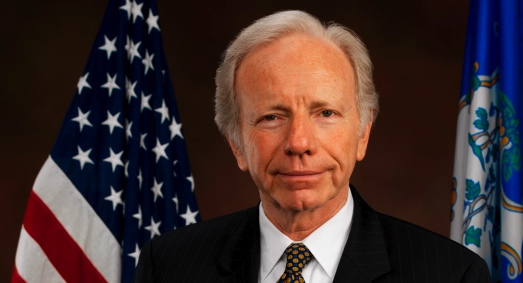
lieberman.jpg
In an exchange this weekend with Tom Brokaw, Joe Lieberman said he regretted some of what he'd said during the campaign.

Brokaw said, "I hear the word regret, but not the word apologize."

Lieberman responded that he's "going forward," adding, "You can take from the word 'regret' what you will. I wish I had not said some of the things I've said. But again, we all do it."

Putting aside the particulars of what Lieberman said during the campaign, I'm pretty sure that "we all do it" is not part of the Jewish tradition for achieving spiritual purity.

Rabbi Shraga Simmons on Aish.com summarizes the Jewish process of Teshuva, or repentance:

Step 1 - Regret. Realize the extent of the damage and feel sincere regret.


Step 2 - Cessation. Immediately stop the harmful action.

Step 3 - Confession. Articulate the mistake and ask for forgiveness.

Step 4 - Resolution

In the rest of the essay, he notes that the process is sometimes hobbled by particular excuses that we devise:


Sometimes, we try to justify our actions, using a variety of excuses:

"Everyone else is doing it"

"At least I'm not like some people who go around killing and stealing!"

"Who are YOU to say it's wrong?!"

Regret is not really possible unless we can clearly distinguish between right and wrong. Otherwise, we will just rationalize and delude ourselves into thinking we've done nothing wrong. The ever-changing, sliding standards of society contribute to this lack of clarity....

Here is Rabbi Simmons full program for spiritual cleansing through repentance.

Advertisement
Comments
Charles Cosimano
November 24, 2008 3:16 PM

I can't see where Lieberman did anything that he needs to repent for, other than annoy some politicians and I don't think that contains any spiritual content, any more than swatting mosquitos.

Robert Morwell
November 24, 2008 3:52 PM

O am an Obama backer who was disappointed in Lieberman's campaigning for McCain, but I assumed he did it out of principle rather than expediency, and I can respect that.

Lieberman is an Independent. This means he can pretty much do as he wants, and he has no need to apologize for it.

But, if he wishes to caucus with the Democrats, they have a right to know what his priorities are going to be and determine whether they want him in certain leadership positions over which they now exercise control.

If he is in essential agreement with them in those areas, then there's no reason to remove him and he has no reason to apologize.

If he disagrees with them substantively, then they have the right to remove him, as they could and would anyone else. And they would not need to apologize for that.

But to do so simply out of vindictiveness is wrong, and I applaud President-Elect Obama for eschewing that motive.

Rabbi Arie Chark
November 26, 2008 9:39 AM
http://jedu.org

I have not read Rabbi Simmons but am sure to agree with him. There is, indeed, a well-developed perspective in Jewish tradition as to what tshuva (repentance, but not quite) is and how it is most effectively implemented. Having said so, Joe Leiberman is correct. Hhuman nature is not an excuse -- it is a realistic assessment that everybody is required to do tshuva.


Post a Comment

By submitting these comments, I agree to the beliefnet.com terms of service, rules of conduct and privacy policy (the "agreements"). I understand and agree that any content I post is licensed to beliefnet.com and may be used by beliefnet.com in accordance with the agreements.


Please type the text you see in the box below to verify your post and help us prevent spam. You have a limited time to type - you may wish to compose your comment in a separate document and paste it here upon completion.

Type the characters you see in the picture above.

Advertisement

Search This Blog

feed icon Subscribe

RSS Feed

Receive updates from Steven Waldman

Calendar

Advertisement

Advertisement


About Beliefnet

Our mission is to help people like you find, and walk, a spiritual path that will bring comfort, hope, clarity, strength, and happiness. More about Beliefnet.

Legal

Copyright © Beliefnet, Inc. and/or its licensors. All rights reserved. Use of this site is subject to Terms of Service and to our Privacy Policy. Constructed by Beliefnet.

Advertisement