 The numbers are in for Christian music record sales for 2008, and according to the Gospel Music Association, while sales of digital albums were up 38% and digital singles 37%, overall, sales of both digital and physical units were down 9.7% from 2007. In comparison, mainstream album sales were down 8.5% and Country music was down 24.2%.
According to my contact at GMA, Christian music sold 32,483,500 units for 2008. When you factor in sales of digital singles, Christian music is up 5.7% to 56,698,000 units. While that sounds good, it’s important to remember that revenue from the sales of single tracks is significantly less than the revenue from album sales. Which means that despite the increased total of units sold when you factor in singles, Christian music is right in the fray with other formats who are experiencing declining revenue from music sales.
The top 10 best selling albums in the Christian music genre were:
1. Noel, Josh Grobin
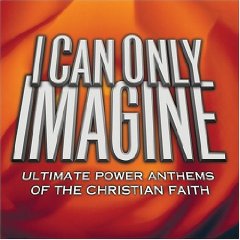
2. I Can Only Imagine, various artists compilation
3. Thirsty, Marvin Sapp
4. Joy To The World, Faith Hill
5. Flyleaf, Flyleaf
6. The Altar and the Door, Casting Crowns
7. Peace On Earth, Casting Crowns
8. Revelation, Third Day
9. Fight of My Life, Kirk Franklin
10. WOW Hits 2009, various artists compilation
It’s interesting to note that both Flyleaf’s self-titled debut and Casting Crowns The Altar and the Door were top selling Christian albums in 2007, and Flyleaf was also on the top selling list in 2006. Kirk Franklin was a top seller in 2006 with a different album, as was Casting Crowns. Compilation CDs were also top sellers.
What that tells me is that Christian music fans are buying music from familiar artists, and that compilation CDs may be a popular product for music fans who want either the top hits without buying the whole album, or a taste of new artists without committing to a whole album of music they may not like.
When I look at the list of top 10 albums, and take into account that Red’s Innocence and Instinct debuted at #15 on Billboard’s Top 200 album chart, I’ve got to wonder what the effect will be on Christian music as a subgenre as more and more Christian artists cross over to mainstream. While Christian music sales might increase – and let’s not forget that Christian music is now the second most popular radio format in the U.S., behind Country – what happens to the industry if the bulk of product is sold at mainstream outlets like iTunes and Walmart? Will the mainstream industry swallow up the Christian music industry?
What are your thoughts on Christian music sales? Do you buy your Christian music at Christian outlets, or at places like Walmart and iTunes? Do you care if Christian labels are owned by mainstream labels (like Word/Warner)?
What songs topped the Christian music charts for 2008? Check out this Gospel Soundcheck post, Radio and Record’s Most Played Christian Songs of 2008.
RELATED POSTS
Contemporary Christian radio second most popular music format in US
Are you an average Christian radio listener?
 Read Previous Post